
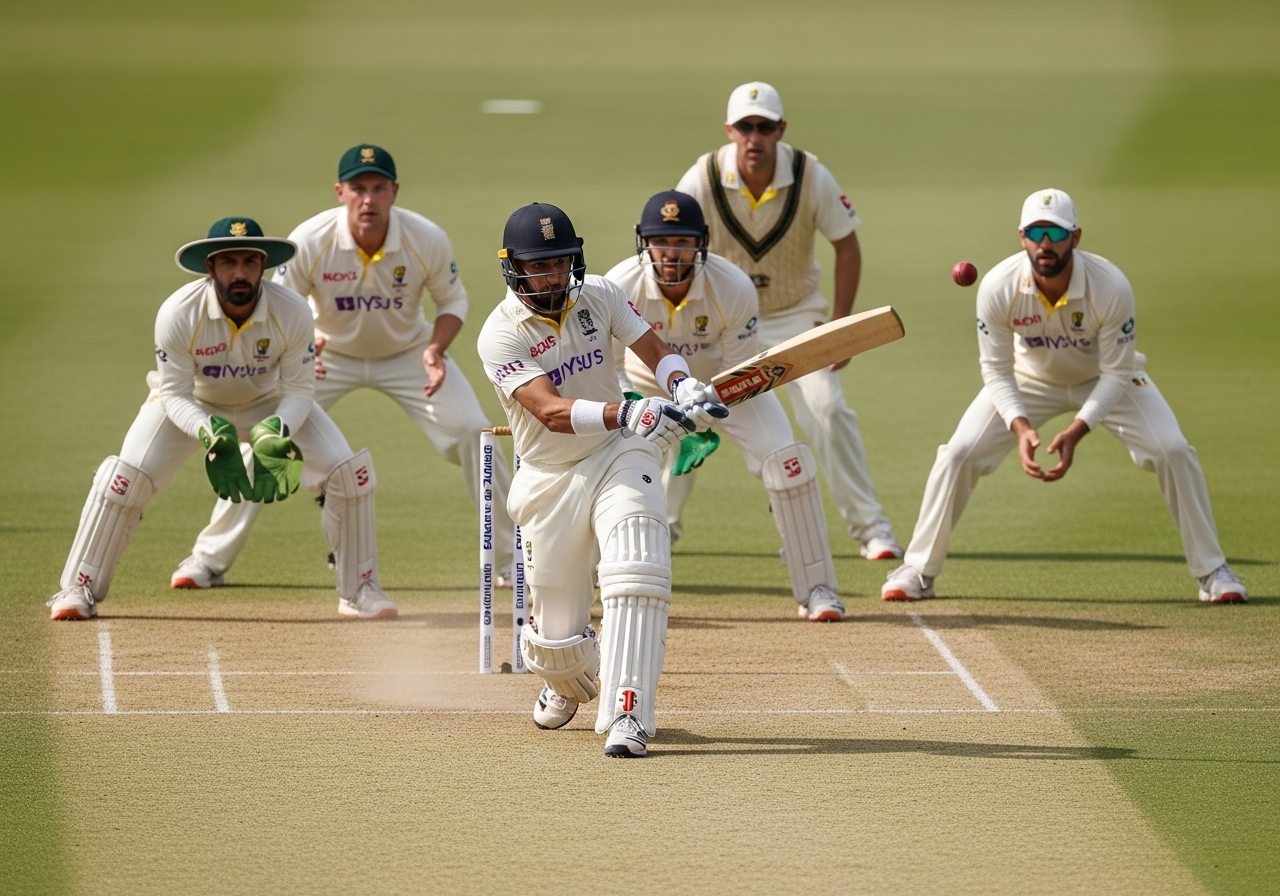
The Indian Premier League delivers cricket’s most explosive entertainment, where fortunes change in six overs and betting markets swing with every boundary. The Powerplay phase – those crucial first six overs with fielding restrictions – creates the perfect storm for strategic betting on run totals, typically ranging from 40-60 runs in IPL conditions. Smart bettors who master Powerplay runs markets gain a significant edge by understanding team dynamics, pitch conditions, and the unique factors that make Indian T20 cricket distinctly different from global formats.
This comprehensive guide reveals proven strategies for betting on Powerplay over/under totals, from pre-match preparation to live in-play trading during those adrenaline-filled opening overs. We’ll explore data-driven approaches, team-specific tendencies, and the environmental factors that separate successful Powerplay betting from wishful thinking in the world’s most competitive T20 league.
What is the Powerplay Runs Market in Indian T20 Cricket?
The Powerplay runs market allows bettors to predict whether the batting team will score over or under a specific run total during the first six overs of an IPL innings. Unlike global T20 formats where Powerplay averages hover around 45-50 runs, the IPL consistently produces higher totals due to superior batting talent, flatter pitches, and aggressive team strategies that typically see teams target 50-60 runs in this phase.
Indian conditions create unique betting opportunities as teams adapt their approaches based on factors rarely seen in other T20 leagues. The combination of world-class overseas players, home advantage for Indian batsmen, and venues designed for entertainment rather than balanced cricket contests makes IPL Powerplay markets distinctly predictable for those who understand the nuances.
What sets IPL Powerplay betting apart is the league’s emphasis on entertainment value, leading to more aggressive field placements and batting approaches compared to international T20 cricket. Teams regularly sacrifice traditional cricket wisdom for crowd-pleasing stroke play, creating higher-scoring Powerplay phases that experienced bettors can capitalize on through careful analysis of team intent and match situations.
Powerplay Rules in IPL T20
Understanding the specific regulations that govern IPL Powerplay phases is essential for making informed betting decisions. The field restrictions and tactical limitations create distinct scoring patterns that differ from other cricket formats.
- Only two fielders allowed outside the 30-yard circle during overs 1-6, creating gaps for boundary scoring
- Mandatory close-in fielders encourage aggressive stroke play from opening batsmen
- No bowling restrictions during Powerplay, allowing teams to use their best bowlers early
- Strategic timeout cannot be taken during Powerplay overs, maintaining momentum for batting teams
- DRS reviews remain available, but time pressures often prevent their optimal use
- IPL-specific playing conditions favor entertainment, with shorter boundaries at many venues
Why Powerplay Runs Matter Most
Statistical analysis of IPL seasons reveals a strong correlation between Powerplay performance and final match outcomes. Teams scoring 55+ runs in the Powerplay win approximately 73% of their matches, while those managing under 40 runs win just 31% of the time. This correlation makes Powerplay betting particularly valuable for identifying early momentum shifts.
The psychological impact of Powerplay dominance extends beyond mere runs, influencing team confidence, bowling changes, and field settings for the remainder of the innings. Successful Powerplay phases often determine the aggressive intent that characterizes high-scoring IPL encounters, making these markets crucial indicators of overall match direction and total runs expectations.
Key Factors Influencing Powerplay Runs in IPL
Multiple variables combine to determine Powerplay scoring rates in IPL matches, from environmental conditions to team composition and strategic intent. Understanding these interconnected factors allows bettors to identify value opportunities when bookmakers underestimate or overestimate likely run production in the opening phase.
| Factor | Impact on Runs | IPL Example |
|---|---|---|
| Opening Partnership Quality | High – Determines strike rotation and boundary frequency | Rohit-Kishan averaged 58 Powerplay runs in 2023 |
| Pitch Conditions | Very High – Fresh vs worn surfaces vary by 15+ runs | Chinnaswamy averages 62, Chepauk averages 45 |
| Team Strategy | High – Aggressive vs cautious approach affects scoring | PBKS targets 60+, CSK traditionally targets 45-50 |
| Bowling Attack Quality | High – Elite new ball bowlers restrict boundaries | Bumrah’s presence reduces opposition by 8-12 runs |
| Weather Conditions | Medium – Dew and humidity affect ball behavior | Evening matches average 6 runs higher than day games |
| Match Situation | Medium – Playoff pressure vs dead rubber intensity | Playoff matches average 4-5 runs lower than league stage |
| Boundary Dimensions | Medium – Shorter boundaries increase six-hitting probability | Eden Gardens’ short square boundaries favor leg-side hitters |
Pitch and Weather Analysis
IPL venues present dramatically different playing conditions that significantly impact Powerplay scoring patterns. Green, seaming tracks like those occasionally prepared at Eden Gardens or Mohali can reduce Powerplay averages by 10-15 runs compared to flat batting surfaces at venues like Chinnaswamy or Wankhede. Fresh pitches typically offer more assistance to fast bowlers in the first six overs, while worn surfaces may provide inconsistent bounce that makes timing difficult for batsmen.
The dew factor represents perhaps the most underestimated element in IPL Powerplay betting. Evening matches, particularly in northern Indian venues during April and May, see significant dew development that makes the ball skid onto the bat more easily in the second innings Powerplay. Teams batting second often score 8-12 more runs in similar conditions compared to the first innings Powerplay, creating value opportunities for bettors who monitor weather forecasts and humidity levels.
Temperature and wind conditions also influence ball movement and carry to the boundary. Hot, dry conditions typically favor batsmen as the ball comes onto the bat more predictably, while cooler temperatures with cloud cover can assist swing bowlers significantly. Understanding these micro-conditions allows experienced bettors to identify situations where bookmakers may have set Powerplay totals without fully accounting for environmental factors that could swing run production by 10+ runs in either direction.
Top IPL Teams for Powerplay Dominance
Team-specific Powerplay strategies and personnel quality create distinct patterns that savvy bettors can exploit throughout an IPL season. Analyzing recent performance data reveals clear hierarchies in Powerplay effectiveness that persist across seasons due to franchise philosophies and player retention policies.
| Team | Avg Powerplay Runs (Last 2 Seasons) | Win % After 50+ Powerplay |
|---|---|---|
| Mumbai Indians | 56.8 | 78% |
| Royal Challengers Bangalore | 55.2 | 74% |
| Punjab Kings | 54.7 | 71% |
| Delhi Capitals | 52.9 | 69% |
| Kolkata Knight Riders | 51.4 | 67% |
| Rajasthan Royals | 49.8 | 63% |
| Lucknow Super Giants | 48.6 | 61% |
| Chennai Super Kings | 47.3 | 58% |
Aggressive vs Cautious IPL Teams
Understanding the philosophical differences between aggressive and cautious IPL teams provides crucial insight for Powerplay betting decisions. Teams like Punjab Kings consistently prioritize boundary-hitting over wicket preservation, creating higher variance but potentially greater upside in favorable conditions.
- Aggressive teams score 60+ runs more frequently but also risk scoring under 35 runs when wickets fall early
- Conservative approaches provide more consistent 45-55 run totals but rarely produce explosive Powerplay phases
- Weather conditions affect aggressive teams more dramatically as they rely on optimal timing for boundary hitting
- Cautious teams perform better against quality bowling attacks that can exploit aggressive shot selection
- Home venue characteristics often determine whether aggression or caution proves more effective for specific franchises
- Player injuries force tactical changes that may temporarily alter established team approaches to Powerplay batting
- Match situation pressure tends to make aggressive teams more conservative and cautious teams more adventurous
Historical Powerplay Stats
Long-term IPL Powerplay trends reveal fascinating patterns that help bettors understand the evolution of batting strategies and scoring expectations across different eras of the tournament. The consistent upward trend in Powerplay scoring reflects improved batting techniques, better bats, and increasingly aggressive team philosophies that prioritize entertainment value over traditional cricket conservatism.
Pre-Match Betting Strategies for Powerplay Runs
Successful pre-match Powerplay betting requires systematic analysis combining statistical research, situational awareness, and disciplined bankroll management. The key lies in identifying value opportunities where bookmaker totals don’t accurately reflect the specific factors influencing that particular match’s likely Powerplay outcome.
- Analyze team Powerplay averages over the last 10 matches, adjusting for opposition bowling quality and venue factors
- Check weather forecasts for temperature, humidity, and wind conditions that could significantly impact ball movement
- Review player availability and recent form for both opening batsmen and first-change bowlers who operate during Powerplay
- Assess pitch reports and curator comments to gauge likely assistance for bowlers versus batting-friendly conditions
- Compare bookmaker totals across multiple platforms to identify the best available odds for your predicted outcome
- Calculate appropriate stake size based on confidence level and bankroll management principles, typically 1-3% of total betting funds
- Set clear exit strategies for live betting adjustments if early match developments contradict pre-match analysis
Analyzing Betting Lines
Identifying value in Powerplay over/under lines requires understanding how bookmakers set these totals and where they might miscalculate team-specific or situational factors. Look for lines that seem to ignore recent form changes, personnel updates, or venue-specific historical data that could significantly impact run production in the opening six overs.
The most profitable Powerplay betting opportunities often arise when bookmakers overreact to small sample sizes or fail to account for specific matchup advantages. For example, a team with a particularly strong record against left-arm pace bowling facing an opposition that opens with such a bowler might see their Powerplay total undervalued by 3-5 runs, creating clear over value for astute bettors.
Live In-Play Betting During Powerplay
In-play Powerplay betting offers dynamic opportunities to capitalize on rapidly changing match situations, momentum shifts, and odds movements that create value for quick-thinking bettors. The key to success lies in understanding how different scenarios affect run expectancy and identifying when live odds lag behind actual match developments.
| Scenario | Bet Type | Odds Shift Example |
|---|---|---|
| Early wicket in first over | Under remaining total | Under 47 moves from 1.90 to 1.70 |
| 15+ runs scored in first over | Over remaining total | Over 52 moves from 1.90 to 1.75 |
| Bowling change brings spinner early | Under next over runs | Under 8.5 runs available at 1.80 |
| Aggressive field placement maintained | Over next over runs | Over 9.5 runs moves to 1.85 |
| Star batsman looking settled | Player runs over | Rohit Powerplay runs over 25 at 2.10 |
Next Over Runs Markets
Individual over betting during the Powerplay requires rapid assessment of bowling matchups, field settings, and batsman aggression levels. Success depends on identifying situations where bookmaker totals don’t reflect the specific tactical battle unfolding between bowler and batsman in real-time.
- Monitor field placements closely as captains often telegraph their tactical approach through fielder positioning
- Track bowler confidence levels through body language and length consistency in previous deliveries
- Assess batsman intent by observing their stance, trigger movements, and shot selection patterns
- Consider over-by-over historical data for specific bowler-batsman matchups from previous encounters
- Watch for weather condition changes like sudden wind shifts that could affect ball movement mid-over
- Identify momentum shifts through crowd reaction and player communication patterns visible on camera
Momentum Trading
Powerplay momentum often builds gradually before exploding into boundary-laden overs that can dramatically exceed pre-match expectations. Successful momentum trading involves recognizing these building phases early and backing the over on remaining runs before the market fully adjusts to the changing dynamics on the field.
The most profitable momentum trades occur when quality batsmen begin to find their timing against predictable bowling, creating situations where experienced bettors can identify value before dramatic scoring bursts occur. Key indicators include improving shot placement, increasing boundary attempts, and visible frustration from the bowling captain as initial plans fail to contain run flow effectively during crucial middle Powerplay overs.
Player-Focused Powerplay Strategies
Individual player performance markets during the Powerplay offer unique value opportunities for bettors who understand specific matchups, player tendencies, and situational factors that influence personal run-scoring and wicket-taking potential. Successful player-focused betting requires detailed knowledge of how particular cricketers perform under Powerplay pressures and conditions.
Top IPL Powerplay Performers
Elite Powerplay performers consistently deliver value through their specialized skills and game situation awareness, making their individual markets potentially more predictable than team totals that depend on multiple variables beyond any single player’s control.
| Player | Avg Powerplay Runs | Strike Rate |
|---|---|---|
| Rohit Sharma | 28.4 | 142.8 |
| Virat Kohli | 26.7 | 138.2 |
| KL Rahul | 25.9 | 135.7 |
| Jos Buttler | 25.3 | 146.5 |
| Shikhar Dhawan | 24.8 | 129.4 |
| Jasprit Bumrah | 1.2 wickets | Economy 6.8 |
| Trent Boult | 1.1 wickets | Economy 7.2 |
Risk Management and Bankroll Tips
Effective bankroll management forms the foundation of profitable Powerplay betting, ensuring that short-term variance doesn’t derail long-term success. The high-variance nature of T20 cricket demands disciplined approach to stake sizing and loss limitation, particularly given the rapid pace at which Powerplay outcomes unfold during live betting situations.
Successful Powerplay bettors typically allocate smaller percentages of their bankroll to individual bets compared to other cricket markets, recognizing that the compressed timeframe and multiple variables create inherent unpredictability. The key lies in identifying genuine edge situations while maintaining the discipline to avoid chasing losses during inevitable losing streaks that affect even the most skilled analysts.
- Limit individual Powerplay bets to 1-2% of total bankroll to manage the high variance nature of six-over outcomes
- Maintain detailed records of all bets including reasoning, conditions, and outcomes to identify successful patterns
- Set daily loss limits specifically for live Powerplay betting to prevent emotional decision-making during rapid market movements
- Use separate bankroll allocation for pre-match versus live Powerplay betting to better track strategy effectiveness
- Avoid increasing stake sizes after winning streaks as Powerplay betting success often involves significant variance
- Implement cooling-off periods after substantial losses to prevent revenge betting and maintain analytical objectivity
- Track return on investment across different types of Powerplay bets to focus efforts on most profitable market segments
Common Mistakes to Avoid
Powerplay betting attracts many casual bettors who underestimate the complexity involved in consistently profitable wagering on short-format cricket outcomes. Understanding these common pitfalls helps serious bettors maintain disciplined approaches that separate long-term winners from those who rely on luck rather than skill and analysis.
- Overreacting to recent form without considering opposition quality and venue factors that influenced previous performances
- Ignoring weather conditions and pitch reports that significantly impact run-scoring potential in Powerplay overs
- Betting on favorite teams or players without objective analysis of their actual Powerplay performance metrics
- Chasing losses through increased stake sizes or riskier bet selections during inevitable downswings
- Failing to account for team strategy changes when key players are injured or rested for less important matches
- Neglecting to shop for best odds across multiple bookmakers, particularly crucial given tight margins in Powerplay betting
Advanced Data-Driven Approaches
Modern Powerplay betting success increasingly depends on sophisticated statistical analysis that goes beyond basic averages to incorporate situational factors, matchup data, and predictive modeling techniques. Advanced bettors utilize run expectancy models, player impact metrics, and venue-specific historical data to gain edges that casual bettors miss entirely.
The most successful Powerplay betting strategies combine traditional cricket knowledge with data science techniques that identify subtle patterns in scoring rates, bowling effectiveness, and team tactical approaches. This quantitative edge becomes particularly valuable in live betting situations where rapid calculations can identify value opportunities before markets adjust to changing match dynamics during the critical opening six overs.
Powerplay Run Expectancy Table
Understanding run expectancy based on wickets lost and overs remaining provides crucial context for live betting decisions and helps identify situations where current odds don’t accurately reflect likely outcomes based on historical IPL data patterns and scoring trends.
| Wickets Lost | Avg Runs | Total Innings Impact |
|---|---|---|
| 0 wickets | 54.7 | +15 runs to final total |
| 1 wicket | 47.2 | +8 runs to final total |
| 2 wickets | 41.8 | Neutral impact |
| 3 wickets | 36.4 | -12 runs to final total |
| 4+ wickets | 28.9 | -25 runs to final total |